
Anti-Fatigue Solutions
Standing up all day hurts. It doesn’t have to.
Most people stand at work. The effects can be damaging.
Research shows that prolonged standing increases the risk of serious long term health effects including lower back and leg pain, fatigue, and other musculoskeletal issues. Beyond the physical pain, fatigue from prolonged standing causes serious reductions in productivity, performance, quality of life, and ultimately, profit.
Give Your Employees the Right Equipment
Standing During the Day is Unavoidable
Your workforce is like a professional sports team. Give them the right equipment and they’ll perform well, bringing your company maximum value. Though they “play” in different venues, workers need the best tools for peak performance, productivity, and winning results.
Minimize Pain by Being Proactive
Improve Health, Safety, and Productivity
Standing workers frequently report pain conditions. SmartCells® reduce 41% of the pain associated with lost productivity. By implementing SmartCells Anti-Fatigue systems, your employees can recapture lost productivity instead of being debilitated by the pain of standing work.
Find the Right Material
Softness and Firmness Should Be Balanced
Standing surfaces that are too soft can increase fatigue, think of standing on a mattress. A surface that is too hard or bottoms out easily may be only slightly better than standing on nothing. Mats that are too soft or firm fall outside the optimal parameters for reducing fatigue.
Reduce Fatigue
A Combination of Critical Elements
SmartCells Anti-Fatigue products create some instability to encourage small postural movements. Yet, they’re appropriately supportive, ensuring that people’s muscles don’t work harder than necessary. Our mats and flooring also provide stability for secure footing, which is essential in an active work environment.
Let us help you find the right solution
Not sure where to start? Our customer support team is happy to help you find the right solution.
How SmartCells Work:
1. Stable Support: Optimized for Human Performance
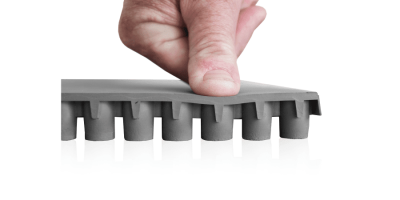
SmartCells® Anti-Fatigue Mat technology products have a “resting state” – much like a non-compressed spring – with a natural, supportive, upright force that provides a compressible, soft surface that is also stable and supportive.
2. Cushion on Impact: The More Force, the Softer it Becomes
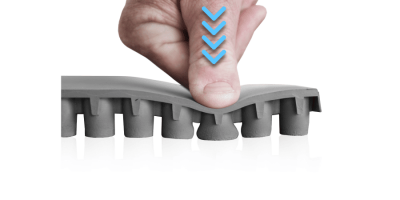
SmartCells® Anti-Fatigue Products compress and absorb pressure/impact energy from standing, weight-shifting, walking, or from the impact of a fall. After reaching a “critical threshold” the cellular structures soften and collapse laterally, without bottoming out.
3. Return Energy: In Phase with your Natural Movement
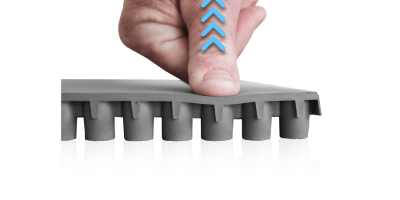
Like miniature springs, SmartCells® Anti-Fatigue floor mats and products store impact energy until pressure is reduced or eliminated. The SmartCells® resilient rubber material and structure work “in-phase” with body movements to actively rebound, releasing their stored energy back into the body.
Anti-Fatigue Applications
We pride ourselves on versatility. Whatever your industry, we can provide a custom solution to ensure that your people maintain their health and productivity. Our mats are not one-size-fits-all. Whatever your challenge, we look forward to helping you solve it.
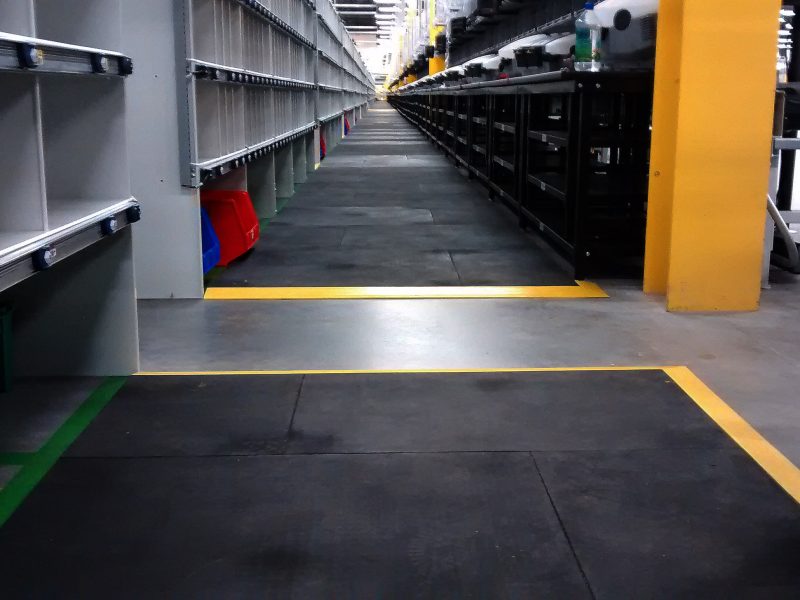
Manufacturing & Industrial
Make best practices a priority with SmartCells Anti-Fatigue industrial floor mats, runners, flooring, and insoles.
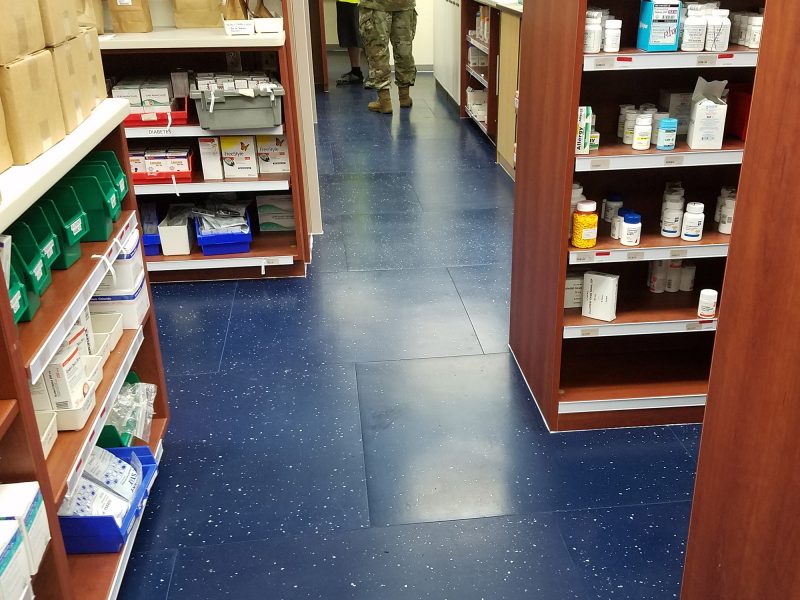
Pharmacy & Labs
SmartCells Anti-fatigue pharmacy floor mats, runners, flooring, and insoles help you concentrate on your work, not on your discomfort.
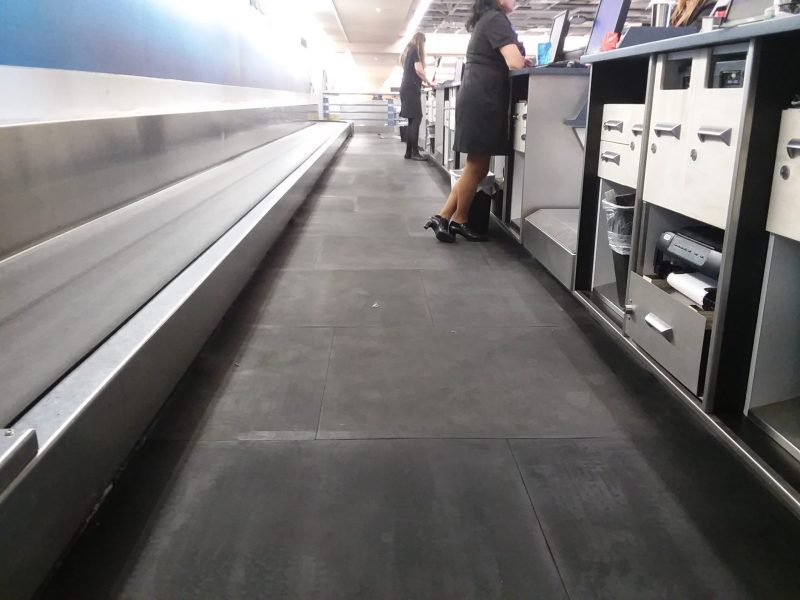
Airports & Airlines
Airlines, airports, and TSA choose SmartCells Anti-Fatigue mats and flooring to save money while creating productive, safe, and professional work spaces.
Hospitals & Healthcare
SmartCells Anti-Fatigue Surgery Mats are autoclave-ready, anti-microbial, latex-free, and adaptable.
Government & Military
From VA hospitals to military bases and government offices, SmartCells Anti-Fatigue mats prevent injuries and issues in a variety of GSA contracted settings.
Retail & Customer Service
SmartCells Mats are a perfect solution for standing desk applications as well as common areas throughout the office or your home.
Our Solution
SmartCells Anti-Fatigue solutions provide the perfect balance of support and cushion, for maximum fatigue relief while minimizing the risk of injury. While standing through the workday is a reality, fatigue doesn’t have to be. SmartCells are designed to keep you and your workers healthy, productive, and on your feet.
MAX COMFORT =
MAX PRODUCTIVITY
SmartCells are specifically engineered to return energy and resist bottoming out, helping your workforce function at their best
SAVE ON ANNUAL MAT REPLACEMENT
SmartCells come backed by an 8-year warranty, eliminating the cost and hassle of replacing failing mats each year
PREVENT WORKPLACE
CLAIMS & INJURIES
Increasing employee safety has never been easier thanks to SmartCells industrial design, which lays flat and resists any buckling or curling
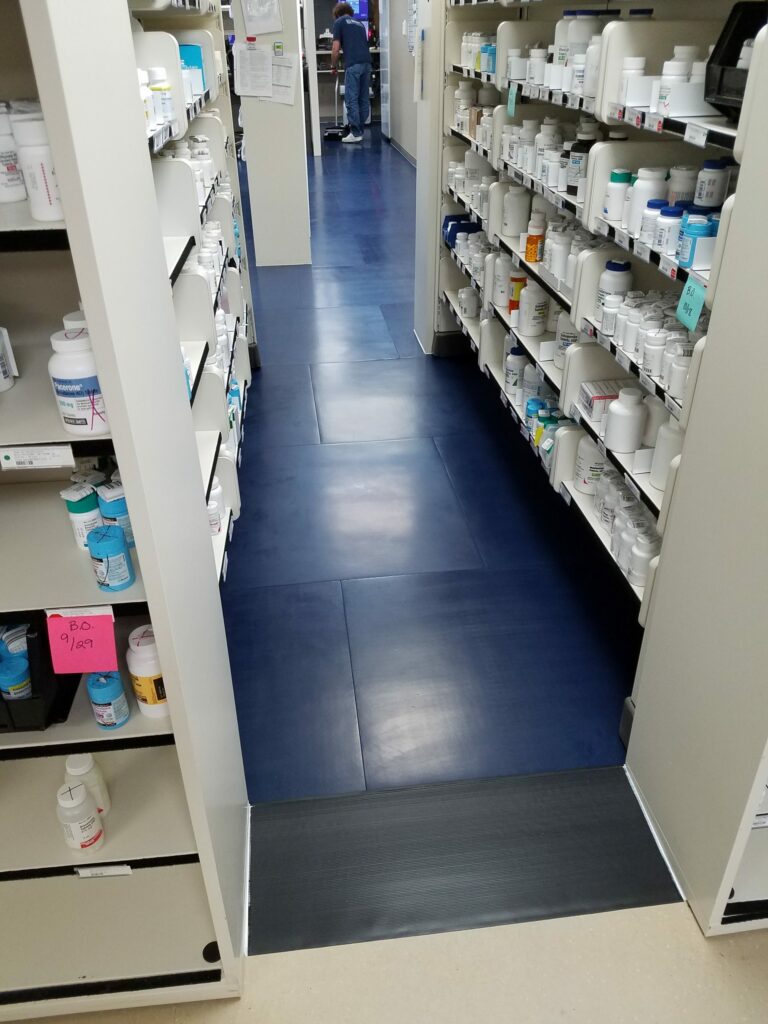
Designed to be Hazard Resistant
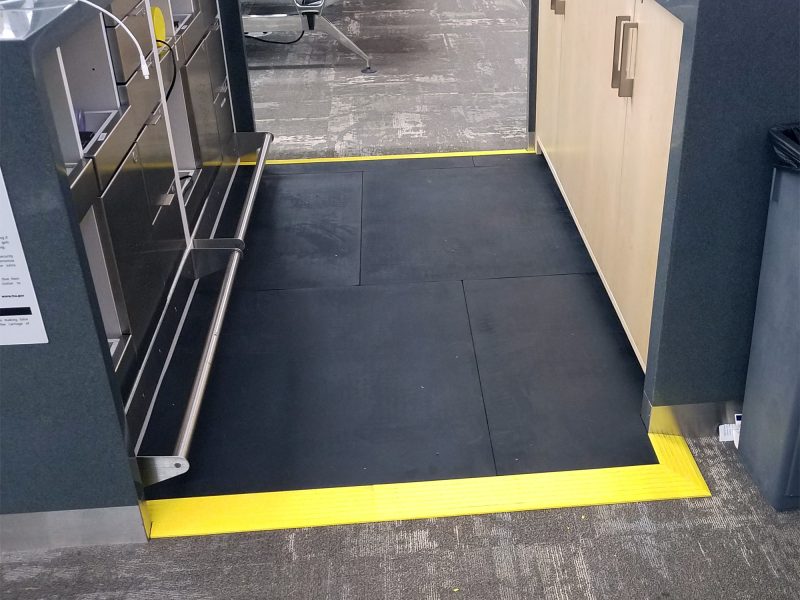
Heavy use is expected in the workplace. SmartCells mats are constructed of sturdy material that’s easy to remove and clean. Whereas foam mats are quick to break down, ours are designed to withstand years of uninterrupted use in the toughest environments.
Just as importantly, our mats and flooring are designed to protect your people against everyday hazards. They won’t absorb moisture or foreign matter. We also have options with built in solid rubber edges or easily attachable accessories, ensuring that you won’t have to worry about tripping hazards.
SmartCells Anti-Fatigue Products
We offer several flooring and mat products designed to keep you, your employees, and those you care for safe. Our Fall Protection products are a great addition to any senior living, healthcare, or residential setting.
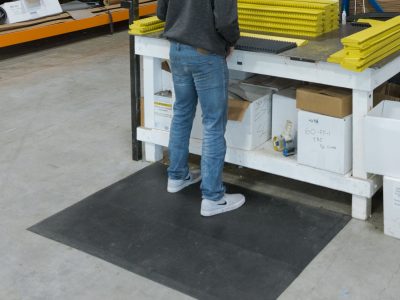
Mats
Molded as one piece of 100% non-porous rubber, our line of off-the-shelf mats provide a quick and simple solution for personal anti-fatigue needs.
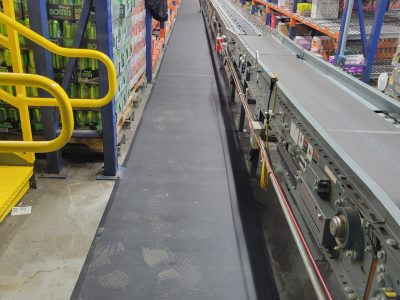
Runners
Available in 2′ wide or 3′ wide, the SmartCells runners are customizable in length as well as shape depending on the needs of your environment.
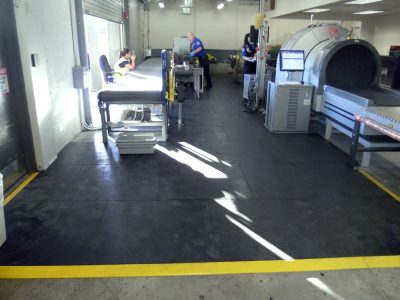
Custom Solutions
When a standard mat is too small or a workstation too unique, leverage our ability to create a custom solution to fit perfectly in and around the way you already do things.
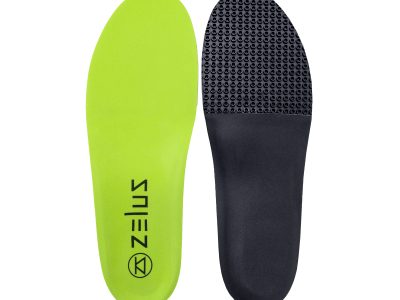
Anti-Fatigue Insoles
If all or part of your workforce is too mobile for mats or flooring, get SmartCells Cushioning Technology on-the-go and into their shoes with our Industrial Insoles.
We are thrilled about the SmartCells matting. The workers say they don’t get as tired as they used to. After several months of use, the SmartCells mats still look and perform like they are new. Currently SmartCells matting is installed on our Green Chain, Dryer Infeed, Dryer Outfeed and Knife grinding room platforms. We used to have to replace mats every 6-9 months; not anymore.
Thanks for all your Hard Work and dedication.
MitchWeyerhaeuser
Why SmartCells?
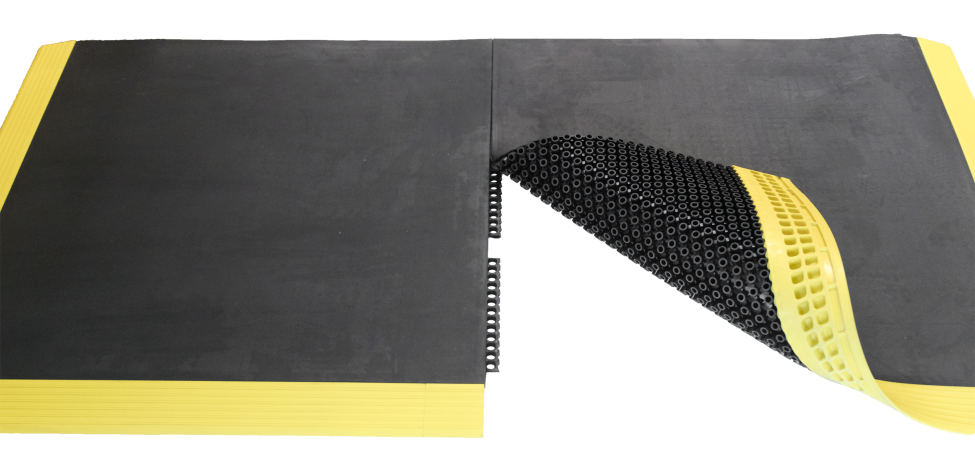
Built with high quality materials, engineered for comfort and support.
- Save on Annual Mat Replacement Costs (8-year warranty)
- Engineered to the optimal comfort range for fatigue relief
- Reduces impact forces and returns energy back to the body
- Maximum Comfort Means Maximum Productivity
- Does not impair balance or change gait
- Designed to withstand harsh environments and resist breaking down
- Fewer Workplace Claims and Injuries (No buckling mats or curling edges)
- Constructed of 100% non-porous rubber, making them easy to clean
- Built with industrial quality and sturdy enough to stay in place
Get More Info For Your Facility
Ready to start protecting your workforce? Want to know more information about specific solutions?
Fill out the form below and we will be in contact with you shortly.